
Table of Contents
In the digital age, where LinkedIn connections, email signatures, and social media profiles dominate professional networking, many professionals question whether business cards still hold value. The answer is a resounding yes—business cards remain an indispensable tool for making meaningful connections, building brand credibility, and leaving a lasting impression. Unlike fleeting digital interactions, a well-crafted business card is a tangible representation of your professional identity, one that recipients can hold, reference, and keep long after a meeting. This ultimate guide for professionals will break down everything you need to know about business cards: why they matter, how to design a standout card, the dos and don’ts of production, proper etiquette for exchanging them, emerging trends in 2026, and how to avoid common mistakes that could undermine your professional image. Whether you’re a startup entrepreneur, a seasoned executive, a freelancer, or a recent graduate entering the workforce, this guide will help you leverage business cards to their full potential and elevate your professional networking game.
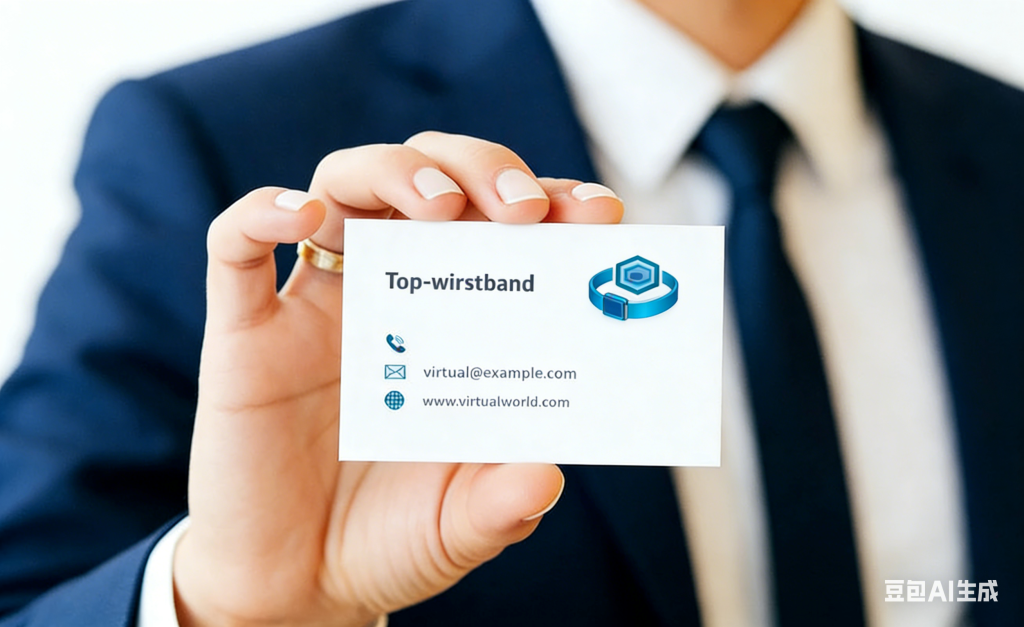
Why Business Cards Still Matter in 2026 (Even in a Digital World)
It’s easy to assume that in an era of smartphones and instant digital communication, business cards have become obsolete. After all, you can share your contact information with a simple click on LinkedIn, a text message, or an email. But research and real-world networking experiences prove that business cards are more relevant than ever—and for good reason. Here’s why every professional should still invest in high-quality business cards:
1. First Impressions Are Everything
A business card is often the first physical touchpoint someone has with your brand or professional identity. When you meet a potential client, partner, or employer, handing them a well-designed business card sends a clear message: you are prepared, professional, and serious about your work. A shoddy, generic, or poorly designed card, on the other hand, can leave a negative impression before you even have a chance to pitch your services or discuss opportunities. Studies show that people form judgments about a professional within 7 seconds of meeting them—and a polished business card can reinforce a positive first impression that lasts远远 beyond the initial interaction. In fact, 72% of professionals say they judge a person’s professionalism based on the quality of their business cards, according to a survey by the American Marketing Association.
2. Tangible Connections Build Trust
Digital interactions are convenient, but they lack the tactile, personal element that comes with a physical business card. A business card is something tangible—recipients can hold it, feel its texture, and keep it in their wallet, desk, or business card holder. This tangibility creates a deeper connection than a digital contact exchange. When someone has your business card in their possession, they are more likely to remember you and follow up. Think about it: how many times have you received a digital contact and forgotten about it within days? A physical business card serves as a constant reminder of your interaction, increasing the likelihood of future engagement. Additionally, having a business card signals that you are invested in your professional brand, which builds trust with potential clients and partners. It shows that you’ve taken the time and effort to create a lasting, tangible representation of your work.
3. Business Cards Facilitate Seamless Networking
Networking events, conferences, trade shows, and even casual business lunches are chaotic environments. In these settings, exchanging business cards is quick, efficient, and distraction-free. You don’t need to fumble with your phone to find your LinkedIn profile or type out your email address—you simply hand over a card, and the interaction can continue smoothly. Business cards also eliminate the risk of typos or missed contact information that often happens when sharing details digitally. For example, if you’re at a loud conference, you might not hear someone’s email address correctly, but a business card ensures that all your contact information is accurate and easy to reference. Moreover, business cards are universal—they don’t require Wi-Fi, a smartphone, or any technical setup, making them reliable in any networking scenario.
4. They Reinforce Brand Identity
Your business card is an extension of your personal brand or company brand. Every element—from the color scheme and font to the logo and layout—should align with your brand’s values and aesthetic. A cohesive business card that matches your website, social media profiles, and marketing materials reinforces brand recognition. When someone sees your business card, they should immediately associate it with your brand, making it easier for them to remember you and your services. For example, if you’re a graphic designer with a bold, creative brand, your business card should reflect that with vibrant colors and unique design elements. If you’re a financial advisor focused on professionalism and trust, a clean, minimalist business card with neutral colors would be more appropriate. Business cards are a cost-effective way to reinforce your brand identity and make a consistent impression across all touchpoints.
Essential Components of a Professional Business Card
A successful business card is more than just a piece of paper with your name and contact information—it’s a carefully crafted tool that communicates your professional identity and value proposition. To ensure your business cards are effective, they must include the right components, arranged in a way that is clear, readable, and visually appealing. Here are the essential elements every professional business card should have:
1. Your Full Name and Job Title
Your full name should be the most prominent element on your business card—after all, this is how people will remember you. Use a clear, easy-to-read font, and consider making your name slightly larger than other text to draw attention. Your job title is equally important, as it tells recipients what you do and your level of expertise. Avoid vague or overly generic titles like “Founder” or “Professional”—instead, be specific. For example, “Founder & CEO – Innovative Tech Solutions” or “Senior Marketing Specialist – Brand Strategy” is much more informative and helps recipients understand your role at a glance. If your job title is not self-explanatory, adding a brief descriptor can help clarify your responsibilities and expertise.
2. Company Name and Logo
If you work for a company, your business card should prominently feature the company name and logo. The logo is a visual representation of your brand, so it’s crucial to use a high-resolution image to avoid pixelation or blurriness. Place the logo in a prominent position—usually the top corner or center of the card—to ensure it’s easily visible. If you’re a freelancer or solopreneur without a formal company name, you can use your personal brand name or simply omit the company name and focus on your name and service offering. Consistency is key here: your company name and logo should match the branding used on your website, social media, and other marketing materials to reinforce brand recognition.
3. Contact Information
The primary purpose of business cards is to make it easy for people to contact you, so your contact information should be clear, accurate, and easy to find. Include at least one primary method of contact—such as a phone number or email address—and consider adding secondary contact details if they are relevant to your profession. Here’s what to include (and what to skip):
- Phone Number: Include your professional phone number (not your personal cell phone, unless you’re a solopreneur and use it for business). Make sure the number is formatted clearly (e.g., +1 (555) 123-4567) for easy dialing.
- Email Address: Use a professional email address (e.g., [email protected]) rather than a personal one (e.g., [email protected]). A professional email reinforces your credibility and makes it easier for recipients to associate your email with your business.
- Website URL: If you have a professional website, portfolio, or LinkedIn profile, include the URL. This gives recipients a way to learn more about your work, services, or background. Keep the URL short and easy to type—avoid long, complicated links.
- Social Media Handles: Include social media handles only if they are professionally relevant. For example, a LinkedIn profile is a must for most professionals, while Instagram or Twitter may be relevant if you’re in a creative field (e.g., design, marketing) or use those platforms for business. Avoid including personal social media accounts unless they are closely tied to your professional brand.
- Physical Address: Include your business address only if you have a physical location (e.g., an office, storefront) that clients or partners may need to visit. If you work remotely or don’t have a physical location, you can omit this to save space.
The key here is to avoid overcrowding your business card with unnecessary contact information. Stick to the details that are most relevant to your audience—for example, a freelance writer may prioritize their email and portfolio URL, while a retail store owner may prioritize their phone number and physical address.
4. Whitespace (Negative Space)
One of the most common mistakes professionals make with their business cards is overcrowding them with too much text and design elements. Whitespace—also known as negative space—is the empty area on your card that surrounds the text and graphics. It may seem counterintuitive, but whitespace is essential for making your business card easy to read and visually appealing. It gives the eye room to breathe, draws attention to the most important information, and creates a clean, professional look. Aim to leave at least 10-15% of your card’s surface as whitespace to avoid a cluttered, overwhelming design. Remember: less is often more when it comes to business card design.
5. Optional: Value Proposition or Tagline
While not essential, adding a brief value proposition or tagline can help differentiate your business cards from others and communicate your unique selling point. A value proposition is a short statement that explains what you do, who you do it for, and how you add value. For example, a web developer might use: “Building responsive websites that drive conversions” or a career coach might use: “Helping professionals advance their careers with personalized guidance.” Keep your tagline short (1-2 lines), clear, and focused on the benefit you provide. Avoid jargon or vague statements—your tagline should be easy to understand and memorable.
How to Design Standout Business Cards (2026 Trends & Best Practices)
Designing a standout business card requires a balance of professionalism, creativity, and alignment with your brand. With 2026 bringing new design trends and technologies, it’s important to stay updated on what’s working and what’s not. Below are the top design best practices and 2026 trends to help you create business cards that stand out from the crowd:
Design Best Practices
- Stick to a Clean, Simple Layout: As mentioned earlier, whitespace is key. Avoid cluttering your card with too much text, graphics, or colors. A clean, simple layout ensures that your contact information is easy to find and read. Use a grid system to align text and graphics, ensuring consistency and professionalism. The standard business card size is 3.5 x 2 inches (90mm x 55mm), which fits most wallets and cardholders—sticking to this size ensures your card is practical and easy to carry.
- Choose the Right Typography: Typography plays a crucial role in the readability and professionalism of your business card. Use 1-2 fonts maximum—mixing too many fonts can make your card look unprofessional and cluttered. Choose fonts that are easy to read, even at small sizes. Sans-serif fonts (e.g., Arial, Helvetica, Montserrat) are modern and easy to read, making them a popular choice for business cards. Avoid decorative or script fonts unless they align with your brand (e.g., a wedding planner or graphic designer may use a subtle script font for a creative touch). Ensure your font size is at least 8pt—anything smaller will be difficult to read.
- Use a Cohesive Color Scheme: Your color scheme should align with your brand identity and convey the right tone. For example, blue conveys trust and professionalism (ideal for financial advisors, lawyers), green conveys growth and sustainability (ideal for environmental businesses, wellness professionals), and red conveys energy and passion (ideal for marketing, creative industries). Use 2-3 colors maximum—too many colors can be overwhelming. Ensure there is high contrast between your text and background to improve readability (e.g., light text on a dark background or dark text on a light background). Avoid light colors on light backgrounds or dark colors on dark backgrounds, as this makes the text difficult to read.
- Invest in High-Quality Images: If you include a logo, headshot, or any other graphics on your business card, use high-resolution images (300 DPI or higher) to avoid pixelation. A blurry or low-quality image will make your card look unprofessional and cheap. If you don’t have a high-resolution logo, work with a designer to get one—this is a worthwhile investment in your professional brand.
- Utilize Both Sides of the Card: Don’t waste the back of your business card! The front can include your name, job title, and contact information, while the back can feature your logo, tagline, value proposition, or even a brief list of services. Using both sides maximizes space, keeps the front clean, and gives you an opportunity to share more information without overcrowding. For example, a photographer might use the back of their card to showcase a small sample of their work (a high-quality thumbnail), while a consultant might use it to list their areas of expertise.
2026 Business Card Trends
Business card design is constantly evolving, and 2026 brings new trends that blend modernity, sustainability, and creativity. Here are the top trends to consider when designing your business cards this year:
1. Metal-Industrial Finishes
In 2026, industrial-inspired designs are gaining popularity, with metal finishes leading the way. Metal-industrial business cards feature metallic foils (gold, silver, copper), brushed textures, sharp contrasts, and geometric layouts. These cards convey strength, durability, and innovation, making them ideal for tech companies, design firms, construction businesses, or any brand looking to project a modern, forward-thinking image. Pairing bold typography with metal-inspired surfaces creates a sleek, futuristic look that stands out in a stack of traditional business cards. For example, a tech startup might use a brushed steel finish with a geometric logo to convey precision and resilience.
2. Translucent and Frosted Designs
Translucent and frosted business cards are another big trend in 2026. These cards are made from clear or frosted plastic (or thick, translucent paper) and have a modern, elegant look that feels premium. The translucency adds depth and visual interest, while still allowing your text and graphics to be visible. Frosted cards are especially popular for creative professionals, as they offer a subtle, sophisticated look that sets them apart from traditional paper cards. You can add a logo or text to the frosted surface for a minimalist, high-end effect.
3. Sustainable and Eco-Friendly Materials
As sustainability becomes a top priority for businesses and consumers alike, eco-friendly business cards are growing in popularity. In 2026, more professionals are choosing recycled paper, seed paper (which can be planted to grow flowers or herbs), or bamboo-based materials for their business cards. These materials not only reduce environmental impact but also convey a commitment to sustainability—something that resonates with many clients and partners. You can also add eco-friendly details, such as soy-based inks or water-based coatings, to further reinforce your brand’s sustainability values. For example, a wellness coach or environmental consultant might use seed paper business cards to align with their brand’s mission.
4. Minimalist with Bold Accents
Minimalism is here to stay, but 2026 adds a twist: bold accents. Instead of plain, all-white business cards, professionals are opting for clean, minimalist layouts with one bold accent color or design element. For example, a white card with a bold blue border, a black card with a gold foil name, or a neutral card with a pop of neon text. This trend balances simplicity with visual interest, ensuring your business card is memorable without being overwhelming. It’s ideal for professionals who want a modern, professional look with a touch of personality.
5. QR Codes for Digital Integration
While business cards are physical, integrating digital elements is a big trend in 2026. QR codes are becoming a common feature on business cards, allowing recipients to scan the code with their smartphone to access your website, portfolio, LinkedIn profile, or even a digital version of your business card. QR codes are unobtrusive, easy to add, and bridge the gap between physical and digital networking. For example, a freelance designer might include a QR code that links to their online portfolio, while a real estate agent might use a QR code that links to their current listings. This trend makes it easier for recipients to engage with your digital brand after receiving your physical business card.
Choosing the Right Printing and Materials for Your Business Cards
The quality of your business card’s printing and materials is just as important as the design. A well-designed card printed on cheap, flimsy paper will undermine your professional image, while a high-quality card with premium materials will reinforce credibility and make a lasting impression. Below is a guide to choosing the right printing options and materials for your business cards:
Paper Stock
The paper stock you choose will affect the look, feel, and durability of your business cards. Here are the most common options:
- Standard Cardstock (14pt-16pt): This is the most common paper stock for business cards. It’s thick enough to feel substantial but affordable, making it a good choice for professionals on a budget. Standard cardstock is available in matte, glossy, or uncoated finishes.
- Premium Cardstock (18pt-24pt): Premium cardstock is thicker and more durable than standard cardstock. It has a luxurious feel and conveys a high level of professionalism. This is a great choice for executives, entrepreneurs, or anyone looking to make a premium impression. Premium cardstock is often used with special finishes like foil or embossing.
- Specialty Paper: Specialty paper includes options like recycled paper, seed paper, bamboo paper, or textured paper (e.g., linen, felt, or canvas). These papers add a unique touch and can help your business cards stand out. Textured paper, for example, adds depth and tactile interest, while recycled paper reinforces sustainability.
Finishes
Finishes add a professional touch to your business cards and can enhance the design. Here are the most popular finishes:
- Matte Finish: A matte finish has a non-glossy, smooth surface. It’s easy to read, doesn’t reflect light, and has a modern, sophisticated look. Matte finishes are ideal for business cards with a lot of text or dark colors.
- Glossy Finish: A glossy finish has a shiny, reflective surface. It makes colors pop and adds a sleek, polished look. Glossy finishes are great for business cards with vibrant graphics or photos, but they can be hard to read in direct light.
- UV Coating: UV coating is a clear, glossy coating applied to specific areas of the card (spot UV) or the entire card (full UV). It adds a protective layer, makes colors more vibrant, and creates a shiny, eye-catching effect. Spot UV is often used to highlight logos or text, adding depth to the design.
- Foil Stamping: Foil stamping uses metallic foil (gold, silver, copper, etc.) to add a shiny, premium touch to text or graphics. It’s a popular trend in 2026 and works well with minimalist designs or metal-industrial themes. Foil stamping can be used for your name, logo, or other key elements to make them stand out.
- Embossing/Debossing: Embossing creates a raised design on the card, while debossing creates a recessed design. Both add texture and tactile interest, making your business card more memorable. Embossing is often used for logos or text to make them stand out without using color.
Printing Methods
The printing method you choose will affect the quality, cost, and turnaround time of your business cards. Here are the most common options:
- Digital Printing: Digital printing is the most common and affordable printing method for small to medium quantities (50-500 cards). It’s fast, offers high-quality results, and allows for customization (e.g., variable data printing, which lets you print different information on each card). Digital printing is ideal for professionals who need business cards quickly or want to test different designs.
- Offset Printing: Offset printing is a higher-quality printing method that’s ideal for large quantities (1,000+ cards). It uses ink and plates to create sharp, vibrant colors and a smooth finish. Offset printing is more expensive than digital printing but offers better quality and consistency, making it a good choice for businesses that need a large number of business cards.
- Letterpress Printing: Letterpress printing is a traditional printing method that uses raised metal plates to press ink into the paper. It creates a tactile, debossed effect that adds a premium, vintage feel. Letterpress printing is more expensive and time-consuming but is perfect for professionals who want a unique, high-end look.
Business Card Etiquette: How to Exchange Cards Professionally
Even the best business cards won’t help you if you don’t exchange them properly. Business card etiquette is an important part of professional networking, and knowing the right way to give and receive business cards can make a big difference in how you’re perceived. Below are the key etiquette rules every professional should follow:
1. Always Carry Business Cards
You never know when you’ll meet a potential client, partner, or employer—so always carry a supply of business cards with you. Keep them in a clean, professional business card holder to avoid bending, creasing, or弄脏 them. Avoid keeping your business cards in your pocket, purse, or wallet, as this can damage them and make them look unprofessional. Aim to carry 5-10 business cards with you at all times, or more if you’re attending a networking event or conference.
2. Choose the Right Time to Exchange Cards
Timing is key when exchanging business cards. Don’t hand out your card as soon as you meet someone—wait until you’ve had a brief conversation and established a connection. The ideal time to exchange cards is when the conversation is winding down, or when you’re both expressing interest in staying in touch. For example, after discussing a potential collaboration, you can say, “I’d love to stay in touch—here’s my business card.” Avoid exchanging cards during a meeting or presentation, as this can be distracting.
3. Give and Receive Cards Properly
When giving your business card, hold it by the edges (so you don’t cover the text or logo) and present it with the front facing the recipient. If you’re meeting someone from a culture that values formality (e.g., Japan, China), use both hands to present your card—it’s a sign of respect. When receiving a business card, take it with both hands (if possible) and take a moment to read it. This shows that you’re interested in the person and their professional background. Avoid putting the card away immediately—hold it in your hand during the conversation, and refer to it by name if possible (e.g., “Thank you, Ms. Smith—I look forward to connecting with you about your marketing services”).
4. Personalize the Exchange
To make the exchange more memorable, personalize it. For example, you can write a brief note on the back of your business card (e.g., “Great talking about your startup—let’s schedule a call next week”) before giving it to the recipient. This adds a personal touch and makes your card more meaningful. Just make sure to use a pen with black or blue ink, and write neatly to avoid making the card look messy.
5. Follow Up After Exchanging Cards
Exchanging business cards is just the first step—following up is what turns a casual interaction into a meaningful professional relationship. Within 24-48 hours of exchanging cards, send a follow-up email or LinkedIn message to the recipient. Reference your conversation to remind them who you are (e.g., “It was great meeting you at the marketing conference yesterday—thank you for sharing your insights on social media trends”). This shows that you value the connection and are serious about staying in touch. Don’t wait too long to follow up—if you wait more than a week, the recipient may have forgotten about you.
Common Business Card Mistakes to Avoid
Even with the best intentions, many professionals make mistakes with their business cards that undermine their professional image. Below are the most common mistakes to avoid:
1. Overcrowding the Card
As mentioned earlier, overcrowding your business card with too much text, graphics, or contact information is a major mistake. Recipients won’t take the time to read a card that looks like a phone book—they’ll simply set it aside. Stick to the essential information (name, job title, contact details) and use whitespace to keep the design clean. Avoid adding unnecessary details like your fax number (unless it’s essential for your business) or a long list of services.
2. Using Low-Quality Images or Logos
A blurry, pixelated logo or image will make your business card look unprofessional and cheap. Always use high-resolution images (300 DPI or higher) for your logo, headshot, or any other graphics. If you don’t have a high-resolution logo, invest in one—this is a small cost that will pay off in the long run. Avoid using stock images that are generic or irrelevant to your brand.
3. Choosing Unreadable Fonts or Colors
Your business card’s text needs to be easy to read—if it’s not, recipients won’t be able to contact you. Avoid decorative or script fonts that are hard to read, especially at small sizes. Stick to clean, sans-serif fonts that are easy on the eyes. Similarly, avoid using low-contrast color combinations (e.g., light gray text on a white background) that make the text difficult to read. Always test your design to ensure the text is readable in different lighting conditions.
4. Including Outdated or Incorrect Information
There’s nothing more unprofessional than a business card with outdated or incorrect contact information. Before printing your cards, double-check all your details—phone number, email address, website URL, job title, and company name. If you change jobs, get a new phone number, or update your website, print new business cards immediately. Using outdated cards can lead to missed opportunities and frustration for recipients who try to contact you.
5. Neglecting the Back of the Card
Wasting the back of your business card is a missed opportunity. The back of the card is a great place to add additional information (e.g., tagline, value proposition, services) without overcrowding the front. Even if you don’t add text, you can use the back to display your logo or a simple design element to reinforce your brand. Avoid leaving the back blank—it makes your card look unfinished and unprofessional.
6. Using Cheap Materials or Printing
Your business card is a reflection of your professional brand—using cheap, flimsy paper or low-quality printing will make you look unprofessional. Invest in high-quality paper stock and printing to ensure your card feels substantial and looks polished. While premium materials may cost more, they’re worth the investment—they convey credibility and make a lasting impression.
7. Ignoring Brand Consistency
Your business card should align with your other brand materials (website, social media, marketing materials). If your website uses a blue and white color scheme, your business card should too. If your logo is in a specific font, use that font on your card. Inconsistent branding can confuse recipients and weaken your brand identity. Make sure all elements of your business card—colors, fonts, logo—match your overall brand.
Final Thoughts: Business Cards as a Powerful Professional Tool
In a digital world, business cards remain a timeless tool for professional networking and brand building. They are more than just pieces of paper—they are tangible representations of your professional identity, tools for building trust, and catalysts for meaningful connections. By following the guidelines in this ultimate guide, you can design business cards that stand out, choose the right materials and printing options, exchange cards with confidence and etiquette, and avoid common mistakes that could undermine your professional image.
Remember: your business card is an extension of you. It should reflect your personality, your brand, and your professional goals. Whether you’re a seasoned executive or a new professional just starting out, investing in high-quality business cards and using them effectively can help you elevate your networking game, build stronger professional relationships, and achieve your career objectives. In 2026 and beyond, business cards will continue to be a vital part of professional success—so make sure yours is up to the task.
Click here for more information about wristbands: https://www.topwristband.com
Reference Website:https://www.nerdwallet.com/business/credit-cards/learn/major-differences-business-credit-cards-personal-credit-cards