
Table of Contents
In the dynamic world of event management, few items are as ubiquitous and essential as Event Wristbands. From small community gatherings and corporate conferences to large-scale music festivals and international sports events, Event Wristbands serve as more than just a simple accessory—they are a critical tool for access control, crowd management, brand promotion, and attendee identification.
Behind every durable, visually appealing Event Wristband lies a sophisticated production process that combines material science, advanced technology, and meticulous quality control. This comprehensive guide delves into every stage of the production of Event Wristbands, exploring the materials, equipment, techniques, and trends that shape these indispensable event essentials. Whether you’re an event organizer looking to understand the production process for your next event or an industry enthusiast curious about how these small but powerful items are made, this article will provide you with a detailed overview of everything you need to know about the production of Event Wristbands.
1. Introduction: The Importance of Event Wristbands in Modern Events
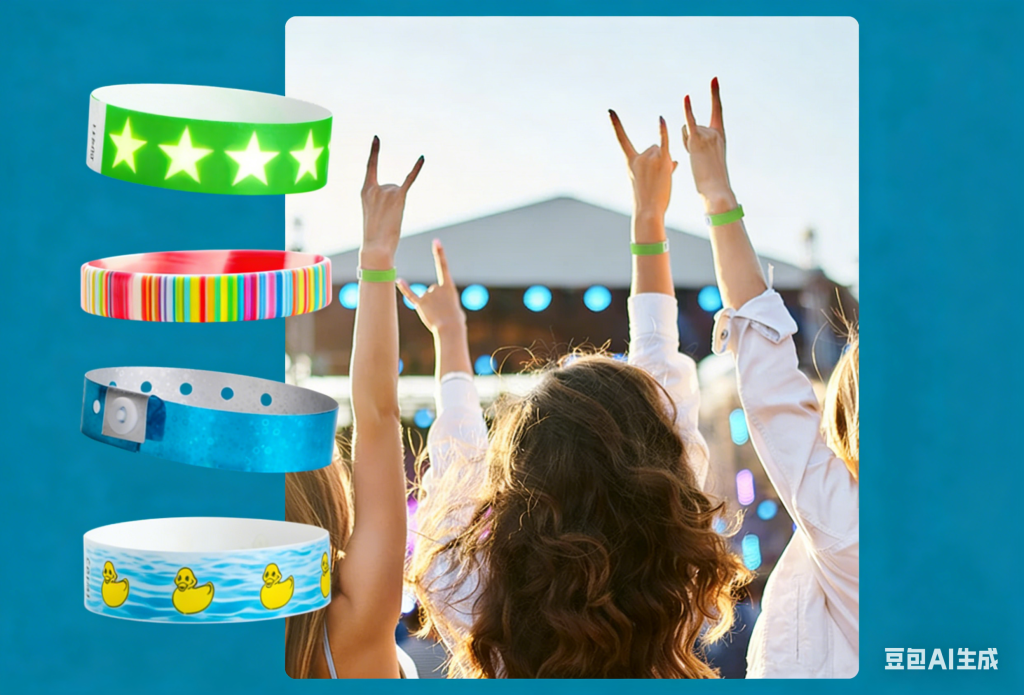
Before diving into the production process, it’s essential to recognize why Event Wristbands have become a non-negotiable element of event planning. Event Wristbands are versatile, cost-effective, and multifunctional, making them ideal for a wide range of events. They simplify access control by clearly distinguishing between attendees, staff, VIPs, vendors, and performers, reducing the risk of unauthorized entry and ensuring a smooth flow of people. Additionally, Event Wristbands serve as a powerful branding tool—custom designs, logos, and messages can turn a simple wristband into a walking advertisement for the event or its sponsors. For attendees, Event Wristbands often become a souvenir, serving as a reminder of the experience long after the event has ended.
The global demand for Event Wristbands has grown significantly in recent years, driven by the rise in live events, corporate gatherings, and music festivals. According to market research, the global wristbands market was valued at USD 1.8 billion in 2024 and is projected to reach USD 2.9 billion by 2033, with a compound annual growth rate (CAGR) of 6.5% from 2026 to 2033. This growth has spurred advancements in production technology, leading to a wider variety of materials, designs, and features for Event Wristbands.
From disposable Tyvek wristbands to premium fabric and silicone options, the production process is tailored to meet the unique needs of different events, budgets, and audiences. In the following sections, we will break down the production process step by step, from material selection to final packaging, highlighting the key factors that ensure high-quality Event Wristbands.
2. Material Selection: The Foundation of High-Quality Event Wristbands
The first and most critical step in the production of Event Wristbands is material selection. The choice of material directly impacts the durability, comfort, appearance, and functionality of the wristband, as well as its cost and environmental impact. Different events require different types of materials—for example, a single-day community event may opt for a cost-effective, disposable material, while a multi-day music festival may require a durable, waterproof material that can withstand extended wear. Below are the most common materials used in the production of Event Wristbands, along with their properties, benefits, and ideal use cases.
2.1 Tyvek Event Wristbands
Tyvek is one of the most popular materials for Event Wristbands, particularly for single-day events. Made from high-density polyethylene fibers (HDPE) developed by DuPont, Tyvek is a lightweight, tear-resistant, and waterproof material that resembles paper but offers far greater durability. It is also cost-effective, making it an ideal choice for large-scale events with tight budgets. Tyvek Event Wristbands are disposable, tamper-evident, and can be easily customized with printed designs, logos, or text. The material is non-toxic, recyclable, and comfortable to wear, making it suitable for all age groups.
In the production of Tyvek Event Wristbands, the material is sourced in large rolls, which are then cut to the standard wristband size (typically 3/4 inch wide and 10-12 inches long). The rolls are inspected for quality to ensure they meet thickness and strength standards, as any defects in the material can affect the wristband’s durability. Tyvek is available in a range of colors, including neon shades for high visibility, and can be printed using various techniques, which we will explore in detail later.
2.2 Vinyl Event Wristbands
Vinyl is another popular material for Event Wristbands, known for its durability and versatility. Made from polyvinyl chloride (PVC), vinyl is waterproof, tear-resistant, and flexible, making it suitable for multi-day events, water parks, and resort guest identification. Unlike Tyvek, vinyl Event Wristbands are reusable (in some cases) and offer a more premium appearance. They are available in a wide range of colors, including transparent options, and can be customized with intricate designs, embossing, or debossing.
The production of vinyl Event Wristbands involves melting PVC resin and extruding it into thin sheets, which are then cut to the desired size and shape. Vinyl is often mixed with additives to enhance its flexibility, durability, and colorfastness. For example, UV stabilizers are added to prevent fading when the wristband is exposed to sunlight, making vinyl Event Wristbands ideal for outdoor events. The material is also compatible with various printing techniques, allowing for vibrant, long-lasting designs.
2.3 Fabric Event Wristbands
Fabric Event Wristbands are a premium option, ideal for festivals, VIP events, and multi-day gatherings where style and durability are a priority. Common fabrics used include polyester, nylon, and recycled materials, with woven and printed options available. Woven fabric Event Wristbands are made from 100% recycled polyester, which is OEKO-TEX® Standard 100 certified, making them eco-friendly, durable, and comfortable to wear. Printed fabric wristbands are typically made from satin polyester, which has a smooth, shiny finish and allows for high-color accuracy in designs.
The production of fabric Event Wristbands involves weaving or printing the fabric, followed by cutting, sealing, and adding closures. Woven wristbands are created using modern looms that precisely guide threads to create detailed patterns and lettering, with a taffeta finish that gives the fabric a smooth, slightly shiny surface and resists fraying. Printed fabric wristbands undergo a digital printing process that applies designs to the satin polyester material, using UV-resistant inks that won’t fade in sunlight. Fabric Event Wristbands often feature secure closures, such as plastic caps or metal fasteners, to ensure they cannot be easily removed or transferred.
2.4 Silicone Event Wristbands
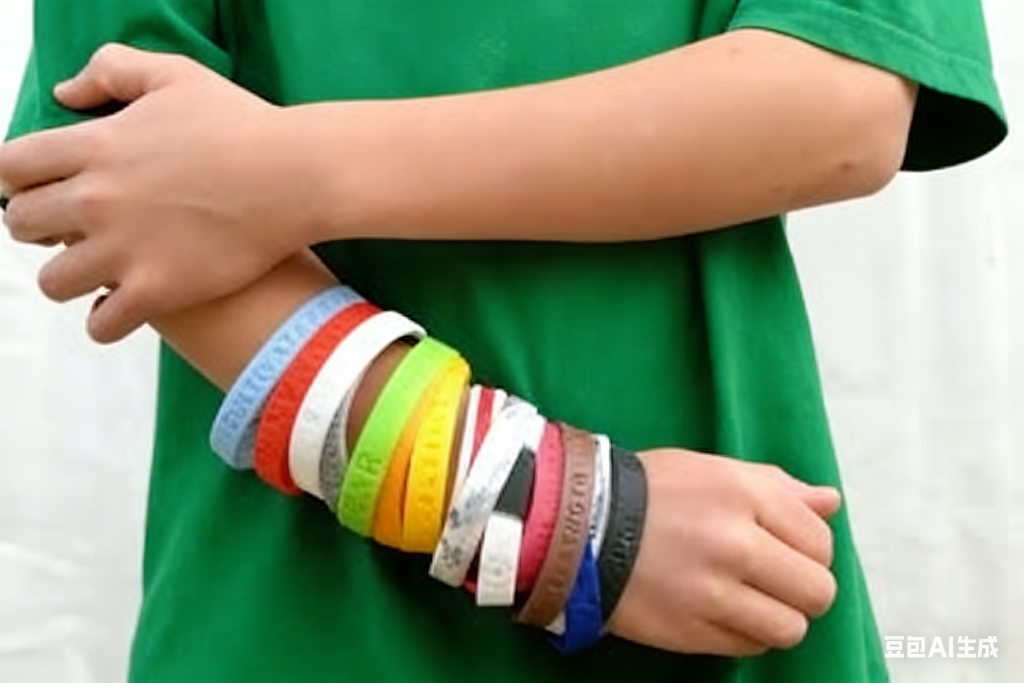
Silicone Event Wristbands are known for their durability, reusability, and comfort. Made from food-grade silicone, they are soft, flexible, and hypoallergenic, making them suitable for long-term wear. Silicone Event Wristbands are ideal for promotional campaigns, charity fundraising, and events where the wristband is intended to be a keepsake. They can be customized with debossed, embossed, or screen-printed designs, and are available in a wide range of colors, including glow-in-the-dark options.
The production of silicone Event Wristbands involves mixing silicone resin with color pigments and curing the mixture in a mold. The mold is designed to create the desired shape, size, and design, including any text or logos. After curing, the wristbands are removed from the mold, trimmed, and inspected for quality. Silicone is a highly durable material that can withstand exposure to water, sunlight, and wear and tear, making silicone Event Wristbands a long-lasting option for events and promotions.
2.5 Eco-Friendly Materials for Event Wristbands
With growing awareness of environmental sustainability, many event organizers are opting for eco-friendly Event Wristbands made from recycled or biodegradable materials. These materials include recycled polyester, bamboo fabric, and biodegradable Tyvek alternatives. Eco-friendly Event Wristbands offer the same functionality as traditional materials but have a lower environmental impact, aligning with the growing trend of sustainable event planning. For example, woven fabric Event Wristbands made from recycled polyester are not only durable but also reduce waste by repurposing existing materials. Biodegradable Tyvek alternatives break down naturally over time, reducing the amount of plastic waste generated by events.
3. The Production Process of Event Wristbands: Step-by-Step
Once the material is selected, the production of Event Wristbands involves a series of carefully coordinated steps, from design preparation to final packaging. The exact process varies depending on the material and the desired features, but the core steps remain consistent across most types of Event Wristbands. Below is a detailed breakdown of the production process, using the most common materials (Tyvek, vinyl, fabric, and silicone) as examples.
3.1 Step 1: Design Preparation and Customization
The first step in the production process is designing the Event Wristbands. This involves working with the event organizer to create a design that aligns with the event’s theme, branding, and functional needs. The design may include the event logo, name, date, venue, sponsor logos, or security features such as barcodes, QR codes, or serial numbers. For custom Event Wristbands, the design is typically created using graphic design software, such as Adobe Illustrator or Photoshop, and then finalized for printing or production.
For example, for Tyvek Event Wristbands, the design is adjusted to fit the material’s properties, ensuring that the ink will adhere properly and the design will be clear and vibrant. For fabric Event Wristbands, the design is optimized for the weaving or printing process, with detailed patterns and lettering carefully mapped out to ensure precision during production. For silicone Event Wristbands, the design is created as a mold template, which will be used to shape the wristband during the curing process.
Customization options vary depending on the material and production technique. Common customization features include full-color printing, variable data printing (which personalizes each wristband with names, QR codes, or barcodes), metallic foil finishes, and spot UV finishes. These features can enhance the visual appeal of the Event Wristbands and add an extra layer of security or branding.
3.2 Step 2: Material Preparation
After the design is finalized, the next step is to prepare the material for production. This involves cutting the material into the appropriate size and shape, as well as treating it to ensure compatibility with printing or other customization techniques.
For Tyvek Event Wristbands: The Tyvek material is sourced in large rolls, which are inspected for quality to ensure they meet thickness and strength standards. The rolls are then loaded onto a cutting machine, which cuts the material into individual wristband blanks of the standard size (typically 3/4 inch wide and 10-12 inches long). The blanks are then stacked and prepared for printing.
For Vinyl Event Wristbands: PVC resin is melted and extruded into thin sheets of the desired thickness. The sheets are then cut into wristband blanks using a precision cutting machine. The blanks may be treated with a primer to ensure that the ink adheres properly during printing. Vinyl sheets can also be colored during the extrusion process, using color pigments mixed with the PVC resin.
For Fabric Event Wristbands: Woven fabric wristbands begin with yarns that are stretched on modern looms. The looms are set up to create the desired pattern and lettering by precisely guiding the threads over and under each other. The woven fabric is then given a taffeta finish, which involves tightly weaving the threads to create a smooth, shiny surface that resists fraying. The fabric is then cut into wristband blanks. Printed fabric wristbands start with satin polyester sheets, which are prepared for printing by cleaning and treating the surface to ensure ink adhesion.
For Silicone Event Wristbands: Silicone resin is mixed with color pigments and any necessary additives (such as UV stabilizers) to create a uniform mixture. The mixture is then loaded into a mold, which is designed to shape the wristband into the desired size and design. The mold is cleaned and prepared to ensure that the silicone does not stick to it during the curing process.
3.3 Step 3: Printing and Customization
Printing is a critical step in the production of Event Wristbands, as it adds the custom design, branding, and functional elements. The printing technique used depends on the material, the complexity of the design, and the desired finish. Below are the most common printing techniques used for Event Wristbands:
Digital Printing: This is the most common technique for Tyvek, vinyl, and fabric Event Wristbands. Digital printing uses inkjet technology to apply the design directly to the material, allowing for high-color accuracy, intricate details, and fast production times. It is ideal for complex designs, color gradients, and small to large print runs. For fabric Event Wristbands, digital printing uses UV-resistant inks that won’t fade in sunlight, ensuring the design remains vibrant even after extended wear outdoors.
Screen Printing: This technique is often used for silicone and vinyl Event Wristbands. Screen printing involves creating a stencil of the design and using a squeegee to push ink through the stencil onto the material. It is ideal for large print runs and simple designs, as it offers high durability and color vibrancy. For silicone Event Wristbands, screen printing is done after the curing process, with ink applied directly to the surface of the wristband.
Embossing/Debossing: These techniques are used to create a 3D effect on the Event Wristbands, adding texture and visual interest. Embossing raises the design above the surface of the wristband, while debossing presses the design into the material. These techniques are commonly used for silicone and fabric Event Wristbands, particularly for logos and text that need to stand out.
Variable Data Printing: This technique is used to personalize each Event Wristband with unique information, such as attendee names, QR codes, barcodes, or serial numbers. It is often used for security purposes, allowing event organizers to track attendance and prevent unauthorized entry. Variable data printing can be combined with digital printing for a seamless, efficient production process.
3.4 Step 4: Cutting and Shaping
After printing and customization, the Event Wristbands are cut and shaped into their final form. This step ensures that each wristband is the correct size and shape, with clean edges and a comfortable fit.
For Tyvek and Vinyl Event Wristbands: The printed blanks are loaded onto a precision cutting machine, which cuts them into the final wristband shape. The machine may also punch a hole at one end for the closure (such as a plastic snap or adhesive tab) and round the edges to prevent sharp corners that could cause discomfort.
For Fabric Event Wristbands: After weaving or printing, the fabric is cut into wristband blanks using a cutting machine. The edges of the fabric are sealed (either by heat or adhesive) to prevent fraying. The closure (such as a plastic cap or metal fastener) is then attached to one end of the wristband.
For Silicone Event Wristbands: After the silicone has cured in the mold, the wristbands are removed and trimmed to remove any excess material (known as flash). The edges are smoothed to ensure a comfortable fit, and any additional features (such as embossing or debossing) are finalized.
3.5 Step 5: Adding Closures and Security Features
Closures are an essential part of Event Wristbands, as they ensure the wristband stays securely on the attendee’s wrist and cannot be easily removed or transferred. The type of closure depends on the material and the event’s security needs. Common closures include:
Adhesive Tabs: Used for Tyvek Event Wristbands, adhesive tabs are applied to one end of the wristband, allowing it to be secured around the wrist. The adhesive is tamper-evident, meaning that if the wristband is removed, it will tear or leave a residue, indicating unauthorized tampering.
Plastic Snaps: Used for vinyl and fabric Event Wristbands, plastic snaps are durable and easy to fasten. They come in a range of colors and can be customized to match the wristband’s design. Some plastic snaps are tamper-evident, making them ideal for security-focused events.
Metal Fasteners: Used for premium fabric Event Wristbands, metal fasteners are robust and durable, giving the wristband a high-end appearance. They are often used for VIP events and festivals where a premium look is desired.
In addition to closures, many Event Wristbands include security features to prevent counterfeiting and unauthorized entry. These features include holographic stickers, QR codes, barcodes, serial numbers, and UV ink (which is only visible under black light). For example, RFID-enabled Event Wristbands use radio frequency identification technology to allow for quick and secure access control, as well as cashless payments at events. These features are added during the production process, either during printing or after cutting and shaping.
3.6 Step 6: Quality Control
Quality control is a critical step in the production of Event Wristbands, ensuring that every wristband meets the highest standards of durability, appearance, and functionality. Quality control processes vary depending on the material and production technique but typically include the following checks:
Material Inspection: Before production begins, the raw materials are inspected for defects, such as tears, discoloration, or inconsistencies in thickness. For example, Tyvek rolls are checked for strength and waterproofness, while silicone resin is checked for purity and consistency.
Print Quality Inspection: After printing, each wristband is checked to ensure that the design is clear, vibrant, and free from smudges, blurs, or missing elements. The ink is checked for adhesion to the material, ensuring it does not fade or peel off easily.
Structural Inspection: The wristbands are checked for proper cutting and shaping, with clean edges and a consistent size. Closures are tested to ensure they are secure and functional, and security features (such as QR codes or holograms) are verified to ensure they work correctly.
Durability Testing: A sample of Event Wristbands is tested for durability, including tear resistance, water resistance, and wear and tear. For example, Tyvek wristbands are tested to ensure they do not tear easily, while vinyl wristbands are tested to ensure they withstand exposure to water and sunlight without fading or cracking.
Any wristbands that fail quality control are discarded or reworked, ensuring that only high-quality Event Wristbands reach the event organizer.
3.7 Step 7: Packaging and Distribution
The final step in the production of Event Wristbands is packaging and distribution. After passing quality control, the wristbands are counted, sorted, and packaged according to the event organizer’s requirements. Packaging options include bulk packs (for large events), individual packaging (for VIP wristbands), or custom packaging with the event’s branding.
For example, Tyvek Event Wristbands are often packaged in bulk packs of 100, 500, or 1000, while fabric or silicone Event Wristbands may be individually packaged in small bags or boxes. The packaging is designed to protect the wristbands during transportation and storage, ensuring they arrive in perfect condition.
Once packaged, the Event Wristbands are shipped to the event organizer, either directly or through a distribution partner. Many production companies offer expedited shipping options for urgent orders, ensuring that the wristbands arrive in time for the event. For example, Tyvek Event Wristbands can often be delivered the next day within the UK for an additional fee, while fabric wristbands typically require a lead time of 8-13 days, which can be expedited with express services.
4. Production Equipment: The Tools That Bring Event Wristbands to Life
The production of Event Wristbands relies on a range of specialized equipment, from cutting machines to printing presses and molding tools. The type of equipment used depends on the material and production volume, with small-scale producers using manual or semi-automatic equipment and large-scale manufacturers using fully automatic production lines. Below are the key pieces of equipment used in the production of Event Wristbands:
4.1 Cutting Machines
Cutting machines are used to cut the raw material into wristband blanks and finalize the shape of the wristbands. There are several types of cutting machines, including:
Precision Cutting Machines: These machines use sharp blades or laser technology to cut the material into precise sizes and shapes. They are ideal for Tyvek, vinyl, and fabric Event Wristbands, ensuring clean edges and consistent dimensions.
Die-Cutting Machines: These machines use a custom die (a metal template) to cut the material into the desired shape. Die-cutting is ideal for large-scale production, as it allows for fast, consistent cutting of multiple wristbands at once. It is commonly used for Tyvek and vinyl Event Wristbands.
4.2 Printing Equipment
Printing equipment is used to apply the custom design, branding, and security features to the Event Wristbands. The most common types of printing equipment include:
Digital Printing Presses: These presses use inkjet technology to apply the design directly to the material. They are versatile, allowing for high-color accuracy and intricate details, and are suitable for small to large print runs. Digital printing presses are commonly used for Tyvek, vinyl, and fabric Event Wristbands.
Screen Printing Machines: These machines use a stencil and squeegee to push ink through the stencil onto the material. They are ideal for large print runs and simple designs, offering high durability and color vibrancy. Screen printing machines are commonly used for silicone and vinyl Event Wristbands.
Heat Transfer Printing Machines: These machines use heat and pressure to transfer the design from a plasticized tape to the wristband. They are ideal for producing vibrant, multi-color designs on silicone Event Wristbands, which can be difficult to print on using other techniques.
4.3 Molding Equipment
Molding equipment is used in the production of silicone Event Wristbands. The key piece of equipment is the silicone mold, which is designed to shape the wristband into the desired size and design. The mold is typically made of metal or silicone and is created using a 3D model of the wristband design. The silicone mixture is poured into the mold, which is then heated to cure the silicone and create the final wristband.
4.4 Automated Production Lines
Large-scale manufacturers of Event Wristbands use automated production lines to streamline the production process and increase efficiency. These lines integrate cutting, printing, shaping, and packaging into a single, continuous process, reducing the need for manual labor and increasing production volume. For example, some manufacturers operate production lines that can process up to 120 feet of material per minute, with integrated operations such as printing, adhesive coating, die-cutting, and hologram placement. Automated production lines are ideal for large events that require hundreds of thousands or millions of Event Wristbands.
5. Factors Affecting the Production of Event Wristbands
The production of Event Wristbands is influenced by several factors, including production volume, customization level, material choice, and delivery time. Understanding these factors can help event organizers make informed decisions when ordering Event Wristbands and ensure that the production process runs smoothly.
5.1 Production Volume
Production volume is one of the most significant factors affecting the production process. Small-scale production (e.g., less than 1000 wristbands) is often done using manual or semi-automatic equipment, which is more cost-effective for small orders. Large-scale production (e.g., 10,000+ wristbands) requires automated equipment to meet demand and reduce costs per unit. Bulk orders often come with discounts, making them more cost-effective for large events. For example, Tyvek Event Wristbands can cost as low as £0.08 per unit for bulk orders, while fabric Event Wristbands ordered in quantities of 1000+ can cost as low as £0.22 per unit.
5.2 Customization Level
The level of customization required affects the production time and cost. Simple designs (e.g., a single color and logo) are faster and cheaper to produce, while complex designs (e.g., full-color gradients, variable data, or embossing) require more time and specialized equipment. Adding custom features such as metallic foil, spot UV finishes, or RFID chips can also increase the production cost and lead time. Event organizers should balance their customization needs with their budget and timeline to ensure the production process is efficient.
5.3 Material Choice
As discussed earlier, the choice of material affects the production process, cost, and durability of the Event Wristbands. Tyvek is the most cost-effective material, with a fast production time, making it ideal for large-scale, single-day events. Vinyl and fabric are more expensive but offer greater durability and a premium appearance, making them suitable for multi-day events and VIP experiences. Silicone is the most durable and long-lasting material but has a longer production time and higher cost, making it ideal for promotions and keepsakes.
5.4 Delivery Time
Delivery time is a critical factor for event organizers, as Event Wristbands must arrive in time for the event. The production time varies depending on the material and customization level: Tyvek Event Wristbands can be produced in as little as 1-2 days, while fabric and silicone Event Wristbands may take 5-14 days. Expedited production and shipping options are available for urgent orders, but they often come with additional fees. For example, next-day delivery for Tyvek Event Wristbands within the UK costs an additional £10, while fabric Event Wristbands can be expedited from their standard 8-13 day lead time with express services.
6. Trends in the Production of Event Wristbands
The production of Event Wristbands is constantly evolving, driven by advancements in technology, changing consumer preferences, and the growing focus on sustainability. Below are the key trends shaping the production of Event Wristbands in 2026 and beyond:
6.1 Sustainability and Eco-Friendly Production
Sustainability is a top trend in the event industry, and the production of Event Wristbands is no exception. More and more event organizers are demanding eco-friendly Event Wristbands made from recycled or biodegradable materials. Manufacturers are responding by developing new materials, such as recycled polyester, bamboo fabric, and biodegradable Tyvek alternatives, and implementing sustainable production practices, such as reducing waste and using eco-friendly inks. For example, woven fabric Event Wristbands made from 100% recycled polyester are OEKO-TEX® Standard 100 certified, ensuring they are free from harmful substances and environmentally friendly. This trend is expected to continue as event organizers and attendees become more environmentally conscious.
6.2 Smart Event Wristbands
Smart Event Wristbands, which integrate technology such as RFID, NFC, or QR codes, are becoming increasingly popular. These wristbands offer enhanced functionality, including cashless payments, access control, social media integration, and attendee tracking. For example, RFID-enabled Event Wristbands allow attendees to make purchases at the event by simply tapping their wristband, reducing wait times and improving the overall experience. The production of smart Event Wristbands requires specialized equipment and technology, but the demand is growing as event organizers seek to enhance attendee engagement and streamline event operations.
6.3 Customization and Personalization
Event organizers are increasingly seeking personalized Event Wristbands that reflect their event’s unique theme and branding. This includes custom designs, colors, logos, and even personalized messages or attendee names. Variable data printing technology has made it easier and more cost-effective to produce personalized Event Wristbands, even for large-scale events. For example, event organizers can personalize each wristband with the attendee’s name and a unique QR code, allowing for personalized access control and engagement. This trend is driven by the desire to create a more memorable and personalized experience for attendees.
6.4 Premium and Luxury Event Wristbands
For high-end events, such as VIP parties, luxury festivals, and corporate galas, premium Event Wristbands are in high demand. These wristbands are made from high-quality materials, such as leather, premium fabric, or metal, and feature intricate designs, embossing, or gemstones. The production of premium Event Wristbands requires skilled craftsmanship and specialized equipment, but they offer a high-end appearance that aligns with the event’s luxury theme. For example, fabric Event Wristbands with metallic fasteners and intricate woven designs are often used for VIP events, providing attendees with a souvenir that reflects the event’s exclusivity.
7. Conclusion: The Art and Science of Producing Event Wristbands
The production of Event Wristbands is a complex process that combines material science, advanced technology, and meticulous attention to detail. From material selection to final packaging, every step is carefully coordinated to ensure that the Event Wristbands meet the highest standards of durability, functionality, and visual appeal. Event Wristbands are more than just a simple accessory—they are a critical tool for event management, branding, and attendee engagement, and their production process reflects the evolving needs of the event industry.
As the demand for Event Wristbands continues to grow, manufacturers are constantly innovating, developing new materials, technologies, and production techniques to meet the needs of event organizers and attendees. From eco-friendly materials and smart technology to personalized designs and premium finishes, the production of Event Wristbands is evolving to keep pace with the changing trends of the event industry. Whether you’re planning a small community event or a large-scale international festival, understanding the production process of Event Wristbands can help you make informed decisions, ensuring that you choose the right wristbands for your event’s needs.
In the end, the production of Event Wristbands is a blend of art and science—combining creativity in design with precision in manufacturing to create a product that is both functional and memorable. Every Event Wristband tells a story, representing the event’s theme, branding, and spirit, and the production process ensures that this story is told clearly and effectively. As the event industry continues to grow and evolve, the production of Event Wristbands will remain a critical part of event planning, helping to create seamless, engaging, and memorable experiences for attendees around the world.
Click here for more information about wristbands: https://www.topwristband.com
Reference Website:https://www.wristband.com/?srsltid=AfmBOorsZZVnuLBjmEdAJI8FjbUnjqziIUwEdaozQQQgnkQSicKmAP7V