
Table of Contents
In the world of automotive customization, every car owner seeks a way to make their vehicle stand out from the crowd while preserving its value and enhancing its appeal. From paint jobs to accessories, the options are endless, but few solutions offer the perfect blend of style, protection, and versatility like a high-quality Vehicle Vinyl Wrap.
A car wrap is not just a temporary aesthetic upgrade; it’s a premium, unique investment that transforms your vehicle’s appearance, shields its original paint, and allows you to express your personal style without the commitment of a permanent paint job. Whether you’re a business looking to brand your fleet, a car enthusiast wanting to refresh your ride, or a daily driver seeking a cost-effective revamp, a car wrap is the ideal choice to elevate your vehicle to new heights.
In this comprehensive guide, we’ll dive deep into everything you need to know about car wrap: why it’s the best way to revamp your vehicle, the different types of car wraps available, the benefits of choosing a premium car wrap over traditional paint, installation best practices, maintenance tips to extend its lifespan, and how to select the right Vehicle Wrap Film for your needs. By the end of this article, you’ll understand why a car wrap has become the go-to customization option for drivers worldwide and how it can transform your vehicle into a head-turning masterpiece.
What Is a Car Wrap, and Why Is It a Premium Choice for Vehicle Revamp?
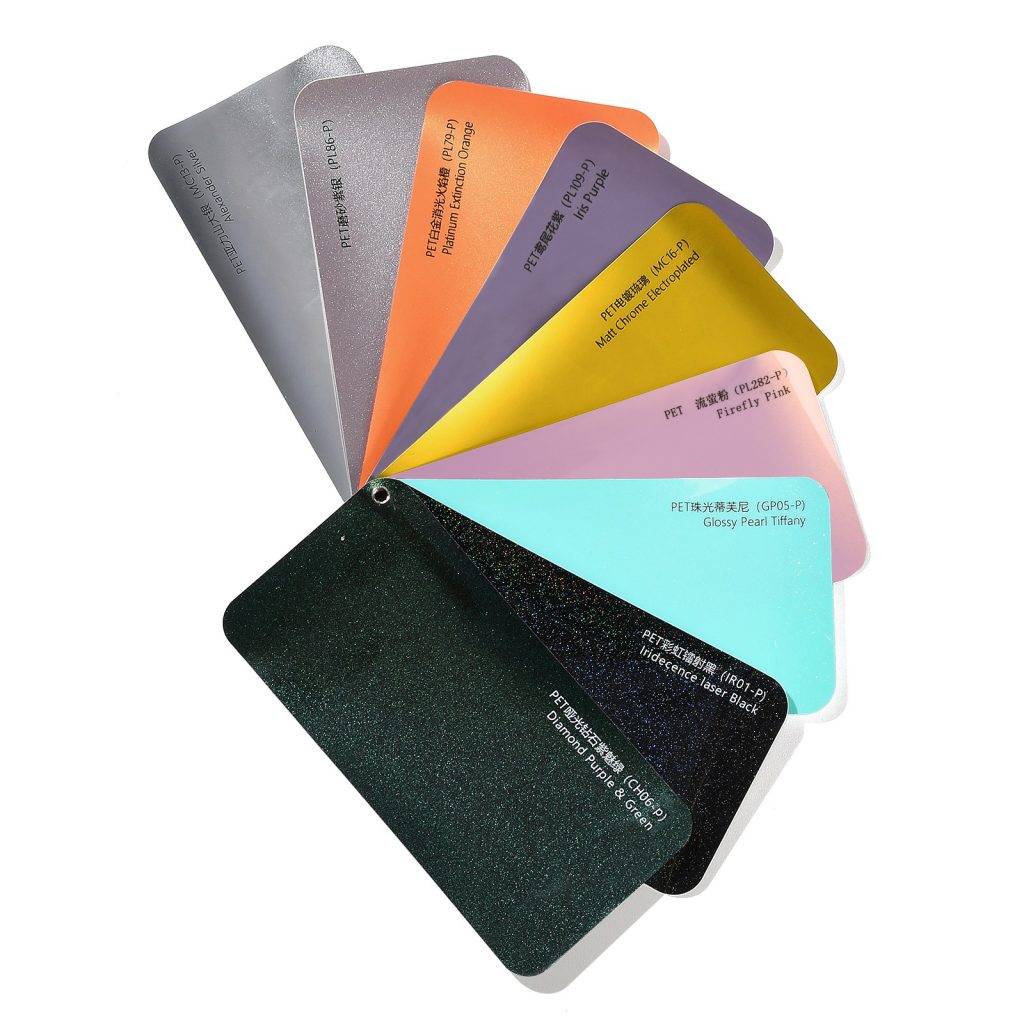
A car wrap is a thin, adhesive vinyl film that is applied to the exterior of a vehicle, covering its original paintwork. Unlike a paint job, which involves layering paint on the car’s surface, a car wrap is a non-invasive solution that adheres to the paint without damaging it. Premium car wraps are made from high-quality vinyl materials that are durable, weather-resistant, and available in a wide range of colors, finishes, and designs. From matte and gloss to metallic, chrome, and even custom prints, a Vehicle Wrap Film offers endless customization possibilities that traditional paint simply can’t match.
But what makes a car wrap a premium and unique way to revamp your vehicle? For starters, it’s a versatile solution that caters to every need. Whether you want to change your car’s color entirely, add a subtle accent, or showcase a custom design, a Vehicle Wrap Film can do it all. Unlike paint, which is permanent and expensive to change, a car wrap is removable.
This means you can switch up your vehicle’s look every few years without worrying about resale value or paint damage. Additionally, a car wrap acts as a protective barrier for your original paint, shielding it from scratches, UV rays, bird droppings, and other environmental hazards. This is especially valuable for new cars, as it preserves the factory paint and maintains the vehicle’s resale value.
Another reason a car wrap is a premium choice is its cost-effectiveness. A high-quality car wrap costs significantly less than a professional paint job, yet it offers a similar (if not better) aesthetic result. For example, a full car wrap can cost between $2,000 and $5,000, depending on the size of the vehicle and the type of vinyl used, while a professional paint job can easily exceed $10,000. Additionally, the installation time for a car wrap is much shorter—usually 2-3 days compared to 1-2 weeks for a paint job—meaning you can get back on the road with your revamped vehicle in no time.
The Different Types of Vehicle Wrap Films: Find the Perfect Match for Your Vehicle
When it comes to choosing a car wrap, there are several types available, each with its own unique features and benefits. Understanding the different options will help you select the right car wrap for your vehicle and your personal style. Below are the most popular types of car wraps on the market today:
- Gloss Vinyl Vehicle Vinyl Wrap
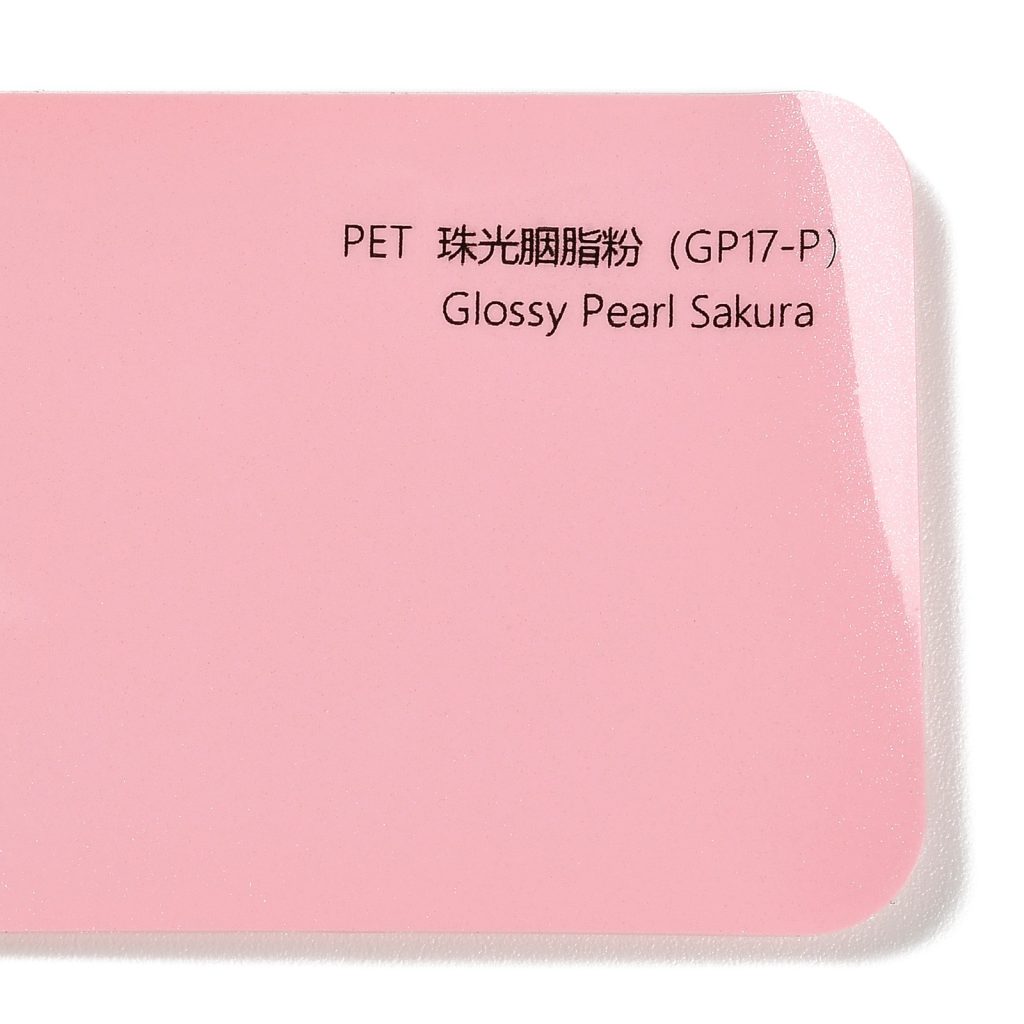
Gloss vinyl car wrap is the most popular choice among car owners, thanks to its sleek, shiny finish that mimics the look of a fresh paint job. This type of car wrap is available in a wide range of solid colors, from classic black and white to bold reds, blues, and greens. Gloss car wraps are perfect for drivers who want a timeless, polished look that stands out on the road. They are also easy to clean and maintain, making them a practical choice for daily drivers.
- Matte Vinyl Car Wrap
For a more modern, edgy look, a matte vinyl car wrap is an excellent option. Matte Vehicle Wrap Films have a non-reflective finish that gives your vehicle a smooth, velvety appearance. They are available in neutral tones like black, gray, and white, as well as bold colors for those who want to make a statement. Matte car wraps are popular among car enthusiasts and luxury vehicle owners, as they add a touch of sophistication and uniqueness to any ride. However, they do require a bit more maintenance than gloss wraps, as they are more prone to showing fingerprints and dirt.
- Metallic Vinyl Vehicle Wrap Film
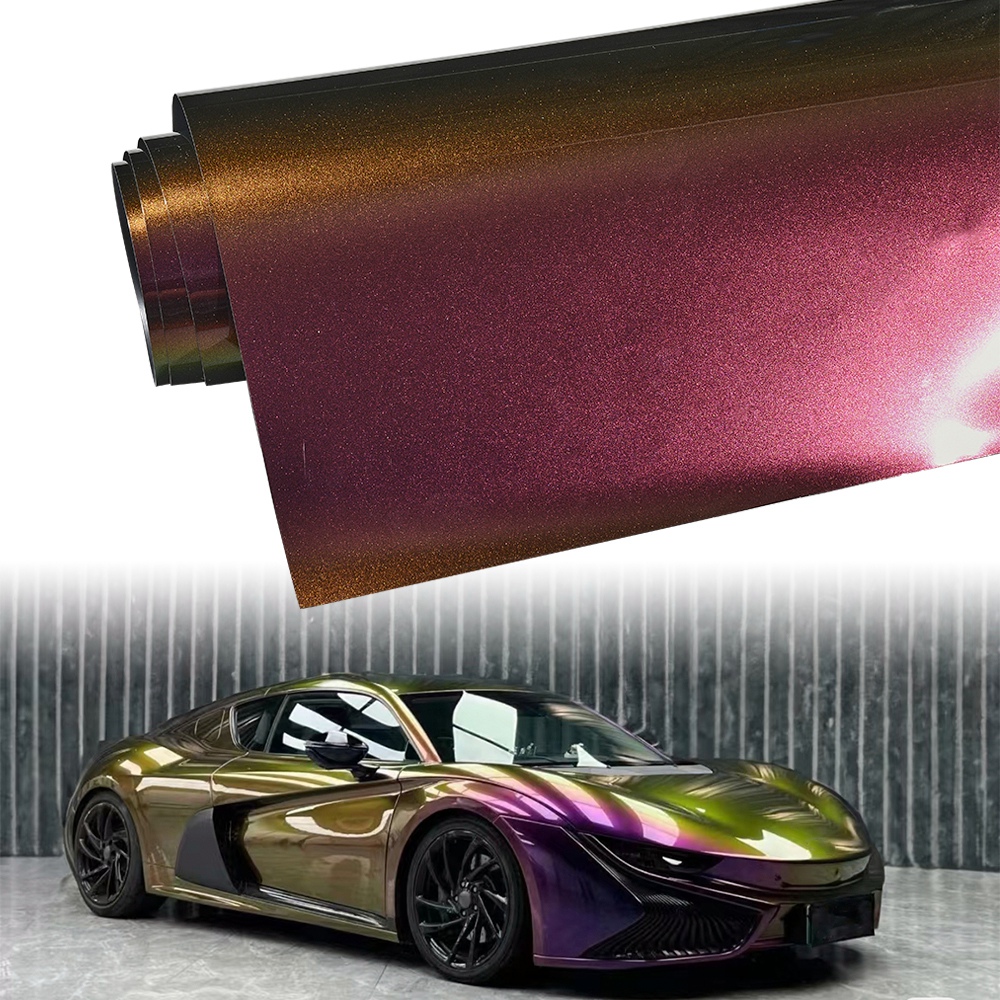
Metallic vinyl car wrapis perfect for drivers who want to add a touch of glamour and shine to their vehicle. This type of car wrap has a metallic flake finish that catches the light and creates a stunning, eye-catching effect. Metallic Vehicle Wrap Films are available in a range of colors, including gold, silver, bronze, and even iridescent shades that change color in different lighting. They are a great choice for special occasions or for drivers who want their vehicle to stand out from the crowd.
- Chrome Vinyl Vehicle Vinyl Wrapp
Chrome vinyl car wrap is the ultimate statement-maker. This type of car wrap has a high-gloss, reflective finish that looks like real chrome. Chrome Vehicle Vinyl Wraps are available in silver, gold, and other metallic colors, and they are sure to turn heads wherever you go. However, chrome car wraps are more expensive than other types of wraps, and they require professional installation to ensure a smooth, bubble-free finish. They are also more prone to scratching, so they require careful maintenance.
- Custom Printed Car Wrap
If you want a truly unique look, a custom printed car wrap is the way to go. This type of car wrap allows you to print any design, logo, or image directly onto the vinyl film. Whether you want to showcase your favorite sports team, promote your business, or create a one-of-a-kind artwork, a custom printed Vehicle Vinyl Wrap can bring your vision to life. Custom car wraps are popular among businesses for fleet branding, as well as among car enthusiasts who want to express their personality through their vehicle. The possibilities are endless with a custom printed car wrap.
- Satin Vinyl Car Wrap
Satin vinyl car wrap is a middle ground between gloss and matte wraps. It has a subtle sheen that is less reflective than gloss but more reflective than matte, giving your vehicle a smooth, sophisticated finish. Satin car wraps are available in a range of colors, and they are perfect for drivers who want a unique look that is not too flashy. They are also easier to maintain than matte wraps, making them a practical choice for daily use.
The Benefits of Choosing a PremiumVehicle Vinyl Wrap Over Traditional Paint
When it comes to revamping your vehicle, many drivers are torn between a car wrap and a traditional paint job. While both options can transform your vehicle’s appearance, a premium car wrap offers several key benefits that make it a better choice for most drivers. Below are the top reasons to choose a car wrap over paint:
- Cost-Effectiveness
As mentioned earlier, a premium car wrap is significantly cheaper than a professional paint job. A full car wrap costs a fraction of what you would pay for a high-quality paint job, yet it offers a similar (if not better) aesthetic result. This makes a car wrap a great option for drivers on a budget who still want to revamp their vehicle’s look.
- Removability
One of the biggest advantages of a Vehicle Vinyl Wrap is that it is removable. Unlike paint, which is permanent, a car wrap can be removed without damaging the original paintwork. This means you can change your vehicle’s look as often as you want, whether you’re tired of the color or want to update your branding. Removing a car wrap is a simple process that can be done by a professional in a few hours, and it leaves your original paint in perfect condition.
- Protection for Original Paint
A car wrap acts as a protective barrier for your original paint, shielding it from scratches, UV rays, bird droppings, tree sap, and other environmental hazards. This is especially important for new cars, as it preserves the factory paint and maintains the vehicle’s resale value. If you ever decide to sell your vehicle, removing the car wrap will reveal a pristine paint job, which can increase the resale price.
- Versatility
A car wrap offers endless customization possibilities that traditional paint simply can’t match. With a car wrap, you can choose from a wide range of colors, finishes, and designs, including custom prints. You can also add accents, stripes, or logos to create a unique look that reflects your personality. Paint, on the other hand, is limited in terms of color and design options, and changing the color requires a full repaint.
- Quick Installation
Installing a car wrap is much faster than a paint job. A professional can install a full car wrap in 2-3 days, while a paint job can take 1-2 weeks. This means you can get back on the road with your revamped vehicle in no time, without having to go without your car for weeks.
- Less Downtime for Repairs
If your car wrap gets scratched or damaged, it can be easily repaired by replacing the affected section. This is much faster and cheaper than repairing a paint job, which requires sanding, priming, and repainting the entire panel. With a car wrap, you can have the damage fixed in a few hours, and the repair will be virtually undetectable.
How to Install a Car Wrap: Best Practices for a Perfect Finish
While it’s possible to install a car wrap yourself, we highly recommend hiring a professional for the best results. Installing a Vehicle Vinyl Wrap requires skill, patience, and the right tools, and a professional installer will ensure that the wrap is applied smoothly, without bubbles or wrinkles. Below is a step-by-step overview of the car wrap installation process, so you know what to expect when you take your vehicle to a professional:
- Vehicle Preparation
The first step in the car wrap installation process is to prepare the vehicle. This involves cleaning the exterior thoroughly to remove any dirt, dust, wax, or grease. The installer will use a mild detergent and a microfiber cloth to clean the car, and they may also use a degreaser to remove any stubborn stains. Once the car is clean, it will be dried completely to ensure that there is no moisture left on the surface—moisture can cause bubbles to form under the wrap.
- Surface Inspection and Repair
Next, the installer will inspect the car’s surface for any scratches, dents, or imperfections. If there are any minor scratches or dents, they will be repaired before the wrap is applied. This is important because any imperfections on the surface will show through the wrap, ruining the finish. For deeper scratches or dents, the installer may recommend having them repaired by a body shop before the wrap is installed.
- Measuring and Cutting the Vinyl
Once the vehicle is prepared, the installer will measure the dimensions of each panel (doors, hood, roof, trunk, etc.) and cut the vinyl film to fit. They will use a precision cutter to ensure that the vinyl is cut accurately, and they may also leave a small amount of extra vinyl around the edges to allow for trimming.
- Applying the Vinyl Wrap
The installer will then apply the vinyl wrap to the vehicle’s surface. They will start with one panel at a time, peeling the backing off the vinyl and applying it to the panel. They will use a squeegee to smooth out the vinyl, removing any bubbles or wrinkles. For curved surfaces (like the hood or fenders), the installer may use a heat gun to stretch the vinyl, allowing it to conform to the shape of the vehicle. This step requires a steady hand and a lot of patience, as any mistakes can ruin the entire wrap.
- Trimming and Finishing
Once the vinyl is applied to the panel, the installer will trim the excess vinyl from the edges using a sharp knife. They will be careful to avoid cutting the original paintwork. After trimming, they will use a heat gun to seal the edges of the wrap, ensuring that it adheres firmly to the vehicle. Finally, they will inspect the entire wrap to make sure there are no bubbles, wrinkles, or imperfections, and they will make any necessary adjustments.
How to Maintain Your Car Wrap: Tips to Extend Its Lifespan
A premium car wrap can last anywhere from 5 to 7 years with proper maintenance. To ensure that your car wrap stays in top condition for as long as possible, follow these simple maintenance tips:
- Wait Before Washing
After your car wrap is installed, you should wait at least 24-48 hours before washing it. This gives the vinyl time to adhere fully to the vehicle’s surface. Washing the wrap too soon can cause it to peel or bubble.
- Use the Right Cleaning Products
When washing your car wrap, use a mild detergent (like dish soap) and a microfiber cloth or sponge. Avoid using harsh chemicals, abrasive cleaners, or wax, as these can damage the vinyl. Also, avoid using a pressure washer, as the high pressure can lift the edges of the wrap. If you do use a pressure washer, keep it at a low pressure and hold the nozzle at least 12 inches away from the wrap.
- Wash Your Car Regularly
Washing your car regularly (at least once a week) will help keep the wrap clean and free of dirt, dust, and grime. This will prevent the buildup of contaminants that can damage the vinyl over time. When washing, start from the top of the car and work your way down, and rinse thoroughly to remove all soap residue.
- Dry Your Car Properly
After washing, dry your car with a clean microfiber cloth to avoid water spots. Water spots can form on the wrap if it is left to air dry, especially in direct sunlight. Drying the car immediately will help keep the wrap looking clean and shiny.
- Avoid Parking in Direct Sunlight for Long Periods
While premium Vehicle Vinyl Wraps are UV-resistant, prolonged exposure to direct sunlight can cause the vinyl to fade over time. To extend the lifespan of your wrap, park your car in a garage or under a shade tree whenever possible. If you have to park in the sun, use a car cover to protect the wrap.
- Remove Contaminants Immediately
If your Vehicle Wrap Film comes into contact with bird droppings, tree sap, or other contaminants, remove them immediately. These substances can eat away at the vinyl and cause permanent damage if left for too long. To remove them, use a damp microfiber cloth and a mild detergent, and gently wipe the area—do not scrub, as this can scratch the wrap.
- Avoid Sharp Objects
Be careful to avoid sharp objects that can scratch or puncture the wrap. This includes keys, rings, and other metal objects, as well as tree branches, rocks, and other debris on the road. If your wrap gets scratched, have it repaired by a professional as soon as possible to prevent the damage from spreading.
Click here for more information about wristbands: https://www.topwristband.com
Reference Website:https://www.autobodynews.com/