
Table of Contents
In the age of do-it-yourself (DIY) culture, where tutorials for everything from home renovations to appliance repairs are just a click away, many car owners are tempted to tackle vehicle wrapping on their own. The allure of saving money upfront, the satisfaction of a hands-on project, and the perception that it’s a “simple” task often overshadow the potential risks and drawbacks.
However, vehicle wrapping is a specialized skill that requires precision, experience, and the right tools—qualities that most DIY enthusiasts lack. What seems like a cost-effective solution can quickly turn into a costly mistake, leaving your vehicle with a shoddy finish, damage to the original paint, and even legal issues. In this article, we’ll explore the top 5 reasons why you should skip DIY vehicle wrapping and invest in professional installation instead.
First, let’s clarify what vehicle wrapping entails. A vehicle wrap is a thin, adhesive vinyl material applied to the exterior of a car, truck, SUV, or other vehicle. It can change the vehicle’s color, add custom designs, or protect the original paint from scratches, UV rays, and minor wear and tear. High-quality vehicle wrapping is designed to be removable without damaging the paint, making it a popular choice for businesses looking to advertise on their fleet vehicles, car enthusiasts wanting a temporary color change, or anyone seeking to preserve their vehicle’s resale value. But achieving a flawless, long-lasting wrap isn’t as easy as peeling and sticking—there’s a science to proper preparation, application, and finishing that only professionals master.
毒液绿车膜.jpg.webp)
1. Poor Preparation Leads to Short-Lived, Unsightly Results
The success of any vehicle wrapping project hinges on proper surface preparation—and this is where most DIY attempts fail. Professional vehicle wrapping companies spend hours preparing a vehicle before a single piece of vinyl touches the surface, and for good reason: any imperfection on the surface will show through the wrap, and dirt, grease, or moisture can cause the vinyl to peel, bubble, or lift prematurely.
Professional preparation for vehicle wrapping typically includes a thorough wash with a pH-neutral soap to remove dirt, grime, and road salt. Next, the vehicle is clay barred to eliminate embedded contaminants that regular washing can’t remove. Then, it’s dried completely—often with compressed air to reach crevices and hard-to-reach areas like door jambs and around emblems. Finally, the surface is wiped down with a lint-free cloth and isopropyl alcohol to remove any remaining residue or oils, ensuring the vinyl adheres properly.
DIY enthusiasts, on the other hand, often cut corners on preparation. They may skip the clay bar step, use the wrong type of soap (which leaves a film), or fail to dry the vehicle thoroughly. Even a tiny speck of dust or a drop of water trapped under the vinyl will create a bubble that ruins the finish. Over time, these bubbles can grow, and the vinyl will start to peel at the edges. In some cases, the wrap may only last a few months instead of the 5–7 years a professionally installed wrap can endure. The result is an unsightly vehicle that looks unprofessional and may even decrease its resale value.
Additionally, many DIYers overlook the importance of removing or properly masking off vehicle components like emblems, side mirrors, door handles, and trim. While professionals have the tools and expertise to remove these parts without damage, DIY attempts often result in broken clips, scratched trim, or emblems that are impossible to reattach properly. Leaving these parts on and wrapping around them can create uneven edges and creases, further compromising the wrap’s appearance and durability.
2. Lack of Expertise and Tools Causes Irreparable Paint Damage
One of the biggest myths about DIY vehicle wrapping is that it’s a “safe” way to change your vehicle’s appearance without damaging the paint. In reality, improper vehicle wrapping techniques can cause permanent damage to your vehicle’s original paint—damage that can cost thousands of dollars to repair.
Professional vehicle wrapping installers undergo extensive training to learn how to apply vinyl without harming the paint. They understand how different types of vinyl (cast vinyl vs. calendered vinyl) interact with different paint finishes, and they know how to use heat guns, squeegees, and other tools to stretch and smooth the vinyl without causing it to tear or pull at the paint. They also know when to avoid wrapping a vehicle—for example, if the paint is chipped, cracked, or peeling, as the vinyl will only exacerbate the issue and may pull off chunks of paint when removed.
DIYers, however, often use the wrong tools or apply too much heat, which can melt the vinyl or damage the clear coat. They may also pull the vinyl too tightly during application, causing it to shrink or lift the paint when it cools. Even worse, when it’s time to remove the wrap, improper removal techniques (like pulling too hard or using sharp tools) can scrape off the original paint, leaving bare metal or primer exposed. This not only ruins the vehicle’s appearance but also increases the risk of rust and corrosion.
Another tool-related issue is the quality of the vinyl itself. Professional vehicle wrapping companies use high-quality cast vinyl from reputable brands like 3M, Avery Dennison, and Oracal. This vinyl is designed specifically for vehicles, with UV protection, weather resistance, and a adhesive that’s strong enough to stay in place but gentle enough to remove without damage. DIYers, however, often opt for cheap calendered vinyl (which is thinner, less durable, and more likely to damage paint) or generic vinyl not intended for automotive use. This low-quality vinyl can fade, crack, or shrink within months, and its adhesive may leave a sticky residue that’s nearly impossible to remove without damaging the paint.
3. Uneven Application and Finish Ruins Aesthetics and Resale Value
A professionally installed vehicle wrapping looks seamless—like the vehicle’s original paint. There are no bubbles, creases, or uneven edges, and the design (if custom) is crisp and precise. Achieving this level of perfection requires years of practice and a keen eye for detail—something DIYers simply don’t have.
Vehicles have complex curves, contours, and edges that make vehicle wrapping a challenging task. Professional installers know how to cut the vinyl to fit each panel perfectly, stretch it to conform to curves, and smooth out any wrinkles or bubbles. They use precision cutting tools to ensure clean edges around emblems, headlights, and other features, and they take the time to align patterns (if using a printed wrap) so that the design flows seamlessly across panels.
DIY vehicle wrapping attempts, by contrast, are often riddled with imperfections. Bubbles are the most common issue, but creases, uneven edges, and misaligned patterns are also prevalent. Even if a DIYer manages to apply the vinyl without major bubbles, the finish may look dull or uneven due to improper stretching or tool use. These imperfections aren’t just unsightly—they can also hurt the vehicle’s resale value. Potential buyers will see a poorly wrapped vehicle as a sign of neglect, and they may be wary of hidden paint damage underneath the wrap. In some cases, a bad wrap can reduce a vehicle’s resale value by thousands of dollars—far more than the cost of professionalvehicle wrapping.
For businesses that use vehicle wrapping for advertising, a shoddy DIY wrap can be especially damaging. A poorly designed or applied wrap reflects poorly on your brand, making your business look unprofessional and untrustworthy. Customers are more likely to do business with a company that presents itself well, and a professional fleet wrap is a simple way to make a positive first impression. DIY wraps, with their bubbles and creases, send the opposite message—and that can hurt your bottom line.
4. Time and Frustration: The Hidden Costs of DIY Vehicle Wrapping
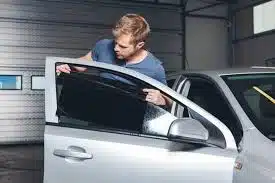
Many DIYers assume that vehicle wrapping is a quick weekend project, but the reality is that it’s a time-consuming task—even for professionals. A full vehicle wrap can take 1–3 days for a professional team to complete, and that’s with years of experience and the right tools. For a DIYer, the same project can take a week or more, and that’s if everything goes smoothly (which it rarely does).
DIY vehicle wrapping requires patience, precision, and a lot of trial and error. You’ll spend hours measuring, cutting, and re-cutting vinyl to fit each panel. You’ll struggle to smooth out bubbles and creases, and you may have to start over entirely if a piece of vinyl tears or is applied incorrectly. Even if you manage to finish the project, you’ll likely spend additional time fixing mistakes or touching up edges that start to peel.
The frustration factor is also worth considering. Vehicle wrapping is a tedious task that requires you to work in tight spaces, bend and stretch for hours, and maintain focus on small details. It’s easy to get discouraged when things don’t go as planned, and many DIYers abandon the project halfway through—leaving their vehicle with a half-wrapped, unsightly finish. Even if you do finish, the stress and frustration of the process may not be worth the small amount of money you save upfront.
There’s also the cost of tools and materials to consider. While DIYers may save on labor costs, they’ll need to purchase or rent specialized tools like heat guns, squeegees, precision cutters, and isopropyl alcohol. They’ll also need to buy enough vinyl to account for mistakes (professionals typically order 10–15% extra vinyl, but DIYers may need more due to errors). When you add up the cost of tools, materials, and the time you spend on the project, DIYvehicle wrapping often ends up being more expensive than hiring a professional—especially when you factor in the cost of fixing mistakes or replacing damaged vinyl.
5. Legal and Warranty Issues You May Not Anticipate
Many car owners are unaware that DIY vehicle wrapping can lead to legal and warranty problems. For example, some states and countries have laws regulating the color and opacity of vehicle wraps. A DIY wrap that’s too dark (if covering windows) or that doesn’t comply with local color restrictions could result in a ticket or fine. Additionally, if you’re wrapping a leased vehicle, the lease agreement may prohibit DIY modifications—or require that any wrap be installed and removed by a professional to avoid damage. Violating the lease terms could lead to additional fees or penalties when you return the vehicle.
Warranty issues are another concern. Most new vehicles come with a factory paint warranty that covers defects in the paint for a certain number of years or miles. However, many of these warranties are voided if the vehicle is wrapped improperly—especially if the wrap causes damage to the paint. Professional vehicle wrapping companies often offer their own warranties on labor and materials, giving you peace of mind that if something goes wrong (like the wrap peeling or fading prematurely), it will be fixed at no additional cost. DIYers, by contrast, have no such protection. If the wrap fails or damages the paint, you’ll be responsible for all repair costs out of pocket.
For businesses, there’s also the risk of liability. If a DIY wrap peels off while driving and causes an accident, your business could be held liable. Professional vehicle wrapping companies use high-quality materials and proven techniques to ensure that the wrap stays in place even at high speeds and in harsh weather conditions, reducing the risk of accidents and liability.
Why Professional Vehicle Wrapping Is Worth the Investment
Given the risks and drawbacks of DIYvehicle wrapping, it’s clear that professional installation is the smarter choice. Professional vehicle wrapping companies have the expertise, tools, and high-quality materials needed to deliver a flawless, long-lasting finish that enhances your vehicle’s appearance and preserves its resale value. They handle all the preparation work, ensure proper application, and offer warranties to protect your investment. Plus, they save you time, frustration, and the risk of costly mistakes.
When choosing a professional vehicle wrapping company, look for one with a proven track record of success. Ask to see examples of their previous work, read customer reviews, and inquire about the type of vinyl they use and the warranties they offer. A reputable company will take the time to understand your needs, provide a detailed quote, and walk you through the entire process—from design to installation to maintenance.
Maintaining a professional vehicle wrapping is also easier than maintaining a DIY wrap. Professionals will provide you with care instructions, such as avoiding high-pressure washes (which can damage the edges of the wrap) and using mild soap when cleaning. With proper care, a professional wrap can last 5–7 years, making it a cost-effective solution for anyone looking to change their vehicle’s appearance or advertise their business.
Final Thoughts
DIYvehicle wrapping may seem like a good idea in theory, but the reality is that it’s a risky, time-consuming, and often costly project. From poor preparation and paint damage to uneven finishes and legal issues, the drawbacks far outweigh the upfront cost savings. Investing in professionalvehicle wrapping ensures that you get a flawless, durable finish that enhances your vehicle’s value and appearance—without the stress and frustration of doing it yourself.
Whether you’re a car enthusiast wanting a temporary color change, a business owner looking to advertise on your fleet, or anyone seeking to protect their vehicle’s paint, professional vehicle wrapping is the way to go. Don’t let the allure of DIY lead to costly mistakes—trust the experts to deliver the results you want.
Click here for more information about wristbands: https://www.topwristband.com
Reference Website:https://www.autobodynews.com/